Guide
How to invoice as a freelancer: what a UK invoice must show
An invoice is what gets you paid. Here is what the UK government states it must show, the payment terms that apply if you set none, and the fixed fees you can add when a client pays late.
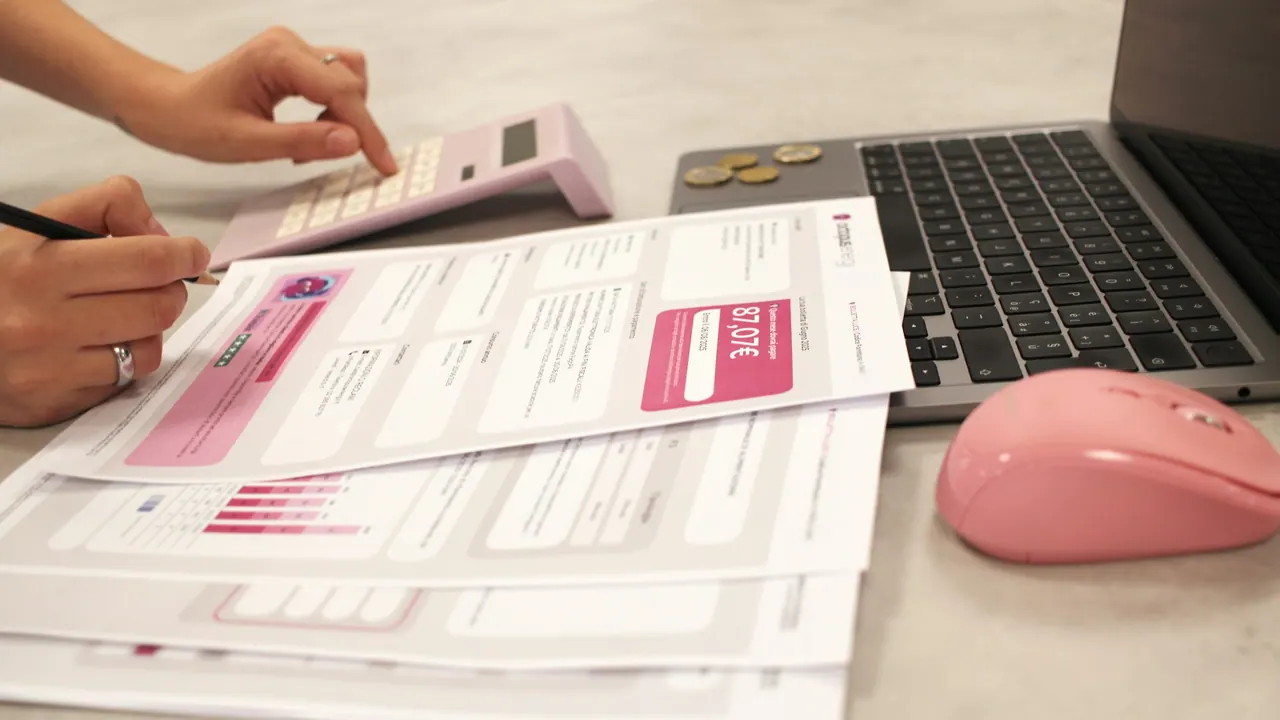
An invoice is the document that asks a client to pay you. If you want to know how to invoice as a freelancer, the clearest official answer we found is in the UK, so this guide follows the GOV.UK pages and states plainly where they stop. Invoice rules differ from country to country, so if you work from somewhere else, treat this as a model of what to look for and find your own tax authority’s page.
What every UK invoice must include
For a business that is not charging VAT, GOV.UK states an invoice must show:
- a unique identification number
- your business name, address and contact details
- the customer’s name and address
- a clear description of what you are charging for
- the date the goods or service were supplied, and the date of the invoice
- the amount you are charging, and the total owed
- the VAT amount, if any applies
GOV.UK sets no format or sequence for the number and states only that each invoice needs its own. Two dates appear on that list for a reason: the supply date says when you did the work, and the invoice date says when you asked for payment. They can differ, and a client’s accounts team may need both.
If you are a sole trader
If you work for yourself as a sole trader, GOV.UK adds that your invoice must show your own name and any business name you use. If you use a business name, you must also give an address where legal documents can be delivered. Limited companies use the full name on their certificate of incorporation, and if directors’ names appear on the invoice, all of them must be listed.
If you charge VAT
When you and your customer are both VAT registered, you must issue a VAT invoice. It carries more information than the list above. HMRC requires a VAT invoice to include your VAT number and to show the VAT separately, and zero-rated sales still need VAT information on the invoice. You must keep commercial invoices and any customs paperwork, but HMRC’s summary gives no retention period and no time limit for issuing an invoice, so check the full VAT invoice guidance before you send your first one.
The payment terms that apply if you set none
You can set your own terms, including early-payment discounts and payment upfront. According to GOV.UK, if you do not agree a payment date, the customer must pay within 30 days of receiving your invoice or the goods or service. The late-payment page adds that agreed payment dates normally fall within 30 days for public authorities and 60 days for business transactions, and that business terms can run longer than 60 days if they are fair to both sides.
Here is what that means in practice, with dates that are ours. If you send an invoice on 1 March and agree no date, payment is due on 31 March. If you agree 60 days, it is due on 30 April. A client that asks for 90 days is asking for longer than the usual business limit, and GOV.UK’s guidance states such a term must be fair to both businesses. Put the due date on the invoice itself, not only in an email, so nobody has to count.
Late payment: interest and fixed fees
When another business pays late, GOV.UK states the supplier may claim both interest and the costs of recovering the debt. You have the right to charge interest, but you are not required to. GOV.UK’s page on interest sets the statutory rate as 8% plus the Bank of England base rate, and it moves with that base rate, so read it before you claim. We do not repeat a figure here.
The fixed sums for debt recovery are on a separate page:
| Unpaid invoice | Fixed sum you can charge |
|---|---|
| Up to £999.99 | £40 |
| £1,000 to £9,999.99 | £70 |
| £10,000 or more | £100 |
You can add the fixed sum on top of interest, and you can charge it once for each payment. A supplier may also claim sensible costs of every attempt to collect the debt. Here are three examples, which are ours. An £800 invoice paid late carries a £40 fixed sum. A £2,500 invoice carries £70. A £12,000 invoice carries £100. Notice that the sum is a flat amount for the band, so the same £70 applies to a £1,000 invoice and a £9,999 one.
Also mind who the rule covers. These pages describe payments between businesses and from public authorities. They do not cover a late payment from a private individual, and this guide does not either. GOV.UK links to a separate guide on making a statutory demand, which we have not covered.
A layout you can copy
This layout is ours, built from the required items above. Fill every row:
| Item | Example |
|---|---|
| Invoice number | 2026-014 |
| Your name and any business name | Your name, trading as the business name |
| Your address and contact details | Postal address, email, phone |
| Customer name and address | The client’s registered name and address |
| Description | “Logo design, three concepts and final files” |
| Supply date and invoice date | Supply 20 October 2026; invoice 1 November 2026 |
| Amount and total owed | £1,200.00; total £1,200.00 |
| VAT, if registered | VAT number, VAT shown on its own line |
| Payment date | “Please pay by 1 December 2026” |
| How to pay | Bank details or payment link |
Keep the description specific enough that the client’s accountant can match it to a purchase order or a contract. If the client sends a purchase order number, put it on the invoice, which is a habit many clients expect.
A ten-point check before you send
Run through this list, which is ours, against the GOV.UK items:
- It has its own number.
- Your name, or your business name with a legal-documents address, is on it.
- Your address and contact details are on it.
- Customer name and address match their contract.
- A description says what was delivered.
- Both the supply date and the invoice date appear.
- Amount and total owed agree.
- VAT is shown, if you are registered, with your VAT number.
- A payment date is written on the page.
- Bank details or a payment link are correct.
Ten items take two minutes, and a missing item gives the client a reason to send the invoice back. Treat the list as a habit, because it costs far less than a delayed payment.
Habits that help you get paid
These are our suggestions, not from the pages:
- Number invoices in order and never reuse a number, so each is unique as the rule requires.
- Send the invoice the day the work is accepted, with a clear due date.
- Keep a copy of every invoice, because the VAT page says to keep commercial invoices.
- State your late-payment terms at the start of the job, so a later fee is not a surprise.
- Chase on the due date, politely first, with the invoice attached.
For the tax side of working for yourself, see how to register as self employed. To check whether a client should treat you as a contractor at all, see employee vs independent contractor. Our business section lists more.
What the pages do not cover
They say nothing about how long to keep copies of non-VAT invoices, and they give no wording for payment terms. This guide therefore does not cover those points. They also do not explain how to invoice a client in another country or in another currency. If you work in a country other than the UK, search for your tax authority’s page on invoices. Look for words such as “tax invoice”, “what an invoice must include” or “sales tax invoice”, and read it before you copy a template from the internet.
Frequently asked questions
Do I need to charge VAT?
Only if you are VAT registered. The pages we used say VAT invoices apply when you and your customer are both registered.
What if I do not agree a payment date?
The customer must pay within 30 days of receiving the invoice or the goods or service.
Can I charge a fee for late payment?
Between businesses, you can claim interest and a fixed sum of £40, £70 or £100 depending on the amount.
Does my invoice need a number?
Yes, a unique one.
Our analysis
An invoice is what gets a freelancer paid, and the clearest official answer to what it must contain is British. GOV.UK lists the required items: a unique number, the business name, address and contact details, the customer's name and address, a clear description, the supply date and the invoice date, the amount and the total owed.
If no payment date is agreed, GOV.UK states the customer must pay within 30 days. Agreed terms are limited by fairness. Dates normally fall within 30 days for public authorities and 60 days for business transactions, and a term longer than 60 days must be fair to both sides. When both sides are VAT registered the invoice must be a VAT invoice, with a VAT number and the VAT shown separately, and the HMRC summary gives no retention period and no time limit for issuing it.
Late payment carries fixed sums: £40 up to £999.99, £70 from £1,000 to £9,999.99 and £100 from £10,000, charged once for each payment. These rights apply between businesses. Interest is a separate right the supplier is not required to use, and the pages do not cover a late payment from a private individual.
The limit of the material matters as much as its content. It is UK only, and GOV.UK makes no mention of invoicing a client in another country or currency. How long to keep invoices that carry no VAT, and wording for payment terms are not stated in the pages we used. We leave out the late-payment interest rate because it moves with the Bank of England base rate. In our view a missing item hands a client a reason to send an invoice back, which delays payment.
For a freelancer or sole trader in the UK the guide covers the ground, with a layout to copy and a ten-point check before sending. Someone invoicing from another country will find a model of what to look for and not a rulebook, and a VAT-registered business that needs the full VAT guidance will find it covers less than it needs.
If you spot a mistake, tell us and we will correct it.
Edited by Prince Ibenne, founder and editor. Read how we stay independent. This is general information, not legal, tax or immigration advice. See the disclaimer, and check the official source for your own case.