micro1
micro1 Materials Scientist for Nanoparticle Sizing ($40 to $100 an hour)
A contractor job for scientists who can measure nanoparticles from electron microscope images by hand. The role is shown at $40 to $100 an hour with no country limits.
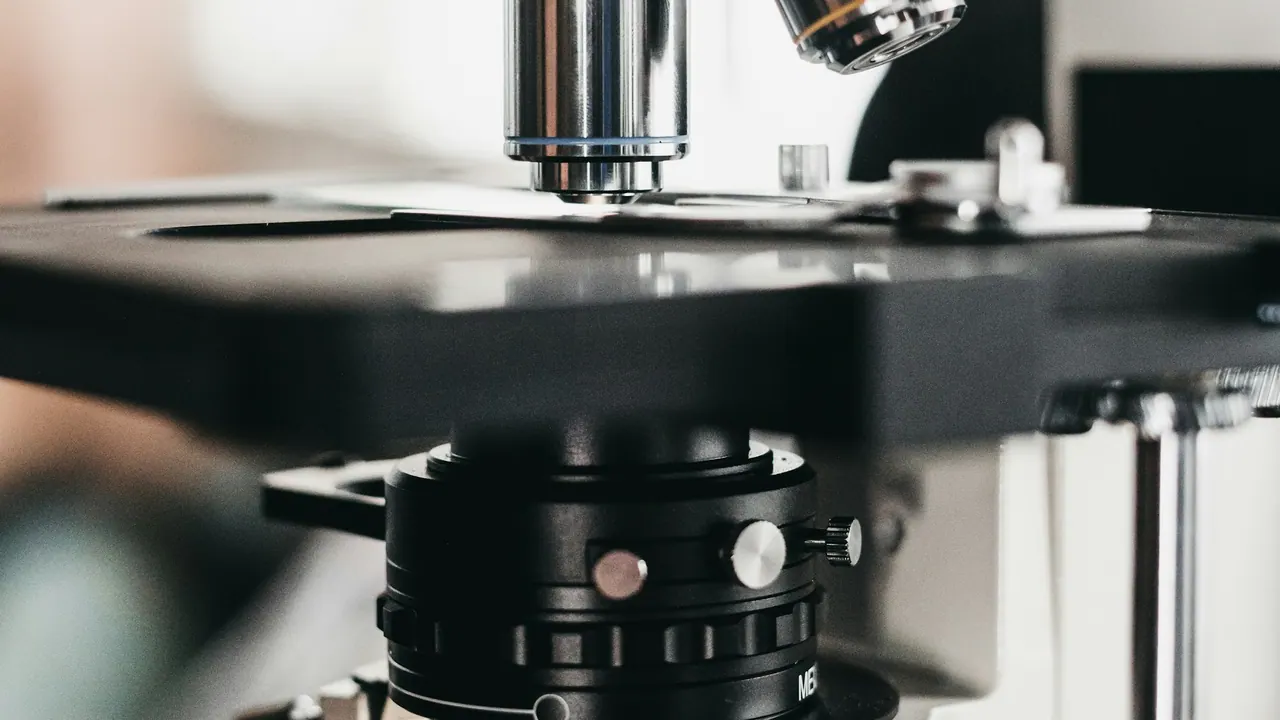
Materials scientist jobs rarely appear as remote work, which makes this micro1 listing unusual. The work is to size particles on electron microscope images and decide whether a production batch passes. micro1 shows the pay as $40 to $100 an hour, names no country limits and states only “Remote”.
What the role is
Micro1 is engaging materials scientists for a customer’s project on advanced nanomaterial evaluation, and your expertise would be used to help train AI systems. It adds that no prior AI experience is needed, because your domain knowledge is what matters. The work itself is not machine learning. It is careful laboratory-style analysis of images, whose results then teach AI systems how an expert reasons.
micro1 stresses that the analysis is independent and manual. It states the engagement involves thresholding, calibration and shape assessments done without automated or AI-powered tools. That is a notable condition, because image analysis software often automates these steps. In total micro1 names 2 imaging methods, TEM and SEM, 7 duties and 7 preferred qualifications. The role was last updated on 4 November 2026.
The terms in plain words
- Nanoparticle sizing. Measuring how big very small particles are, in the range of billionths of a metre.
- TEM and SEM. Transmission electron microscopy and scanning electron microscopy, two ways of photographing particles with a beam of electrons. The photographs are called micrographs.
- Thresholding. Choosing the brightness cut-off that separates particles from the background in an image, so that each particle can be measured.
- Calibration. Setting the scale so that a distance in the image matches a real distance.
- Particle size distribution. How many particles fall at each size, usually shown as a chart or table.
- Lot release. The decision that a manufactured batch, called a lot, meets its specification and can be shipped.
What you would do
micro1 names seven duties. You would analyse and interpret TEM and SEM micrographs for sizing and shape, determine and record particle size distributions with attention to accuracy and reproducibility, and set and explain acceptance criteria for lot release using reference cases and quality control standards. You would write reports on findings, methods and recommendations for qualifying a material, and validate your measurements through manual calibration and thresholding, cross-checked against reference data. The remaining duties are taking part in technical discussions and giving clear written and spoken explanations to the project teams.
Reproducibility is the key word. Another expert looking at the same micrograph should be able to follow your method and reach a similar number. That is why the listing insists on documentation.
What micro1 asks for
All of the listed qualifications are labelled preferred. They are advanced knowledge of nanomaterial characterisation, especially with TEM and SEM, hands-on experience in nanoparticle sizing, size distribution analysis and lot release, skill with manual image analysis, and an understanding of quality control standards and reference material protocols. It also asks for strong written and spoken communication and the ability to judge technical reference cases without AI tools. A background in scientific consulting, materials science or laboratory analysis counts in your favour.
The level shown is mid-level. micro1 does not set a minimum number of years or a degree. Our guide to how to read a job posting explains how to weigh “preferred” requirements against your own record.
The $40 to $100 range
The role is shown at $40 to $100 an hour. The top is two and a half times the bottom, and micro1 does not say what decides where an offer falls. Here are our sums at different weekly hours, with 4.33 weeks to a month:
| Hours a week | Per week at $40 | Per week at $100 | Per month at $40 | Per month at $100 |
|---|---|---|---|---|
| 10 | $400 | $1,000 | $1,732 | $4,330 |
| 20 | $800 | $2,000 | $3,464 | $8,660 |
| 30 | $1,200 | $3,000 | $5,196 | $12,990 |
These are payments before tax and before any fees, and they assume work is available for all of those hours. micro1 gives no weekly hours, no project length and no guarantee of volume, so the table shows what an hour rate means, not what you will earn.
A contractor also pays for what an employer would otherwise cover, such as tax, insurance and unpaid time between projects. Our guide on employee vs independent contractor explains the difference in status, and the guide to how to invoice as a freelancer sets out what an invoice must show.
Where you can work from
micro1 states “Location: Remote”. micro1 names no country restrictions. micro1 does not mention time zones or hours, and it does not say how contractors are paid or in which currency. Ask whether the company can contract with you where you live, and whether you need a particular licence or security check to handle the images.
How to apply
Use the Apply button. micro1 states no other steps. A genuine company does not ask you to pay to apply or to be assessed. If a step asks for identity documents or bank details before an interview, stop and read job posting red flags.
Our guide on how to apply for remote jobs covers how to present specialist experience.
Frequently asked questions
Do I need AI experience?
No. Your domain knowledge is what matters.
Do I need a PhD?
micro1 does not say. It prefers advanced knowledge and hands-on experience.
Can I use image analysis software?
micro1 asks for manual analysis and for evaluating cases without AI-based tools. Ask what other software is allowed.
Is it full time?
micro1 gives no hours. It is a contractor engagement.
Our analysis
Materials science work rarely appears as remote work, which is what makes this micro1 listing worth reading. The pay of $40 to $100 an hour is shown for the role and is not a rate micro1 gives. The top is two and a half times the bottom, and nothing is said about what decides where an offer falls. By our sums, 20 hours a week at the two ends comes to $3,464 and $8,660 a month, using 4.33 weeks to a month.
Those monthly figures show what an hourly rate means and not what a person will earn, because no hours, project length or guaranteed volume are stated. A contractor also covers tax, insurance and unpaid time between projects. How and when contractors are paid, in which currency, and the confidentiality terms for the customer's data are not stated, and neither the customer nor the kind of material is named.
The work is specific. It is sizing nanoparticles from electron microscope images, using the named methods TEM and SEM across seven duties, and deciding whether a production batch passes. micro1 states it is done manually, with thresholding, calibration and shape assessments carried out without automated or AI-powered tools, and it does not say which software is allowed or supplied. No prior AI experience is needed because domain knowledge is what matters, all the listed qualifications are labelled preferred, and no minimum years or degree is set.
A scientist with hands-on experience in nanoparticle sizing, size distribution analysis and lot release, who can document a manual method so another expert could reproduce the result, matches the brief. Someone who needs stated weekly hours or a rate before starting, or who prefers automated analysis, would find less to go on. Whether a screening test applies, and whether it is paid or how long it takes, is not stated.
If you spot a mistake, tell us and we will correct it.
Edited by Prince Ibenne, founder and editor. Read how we stay independent.